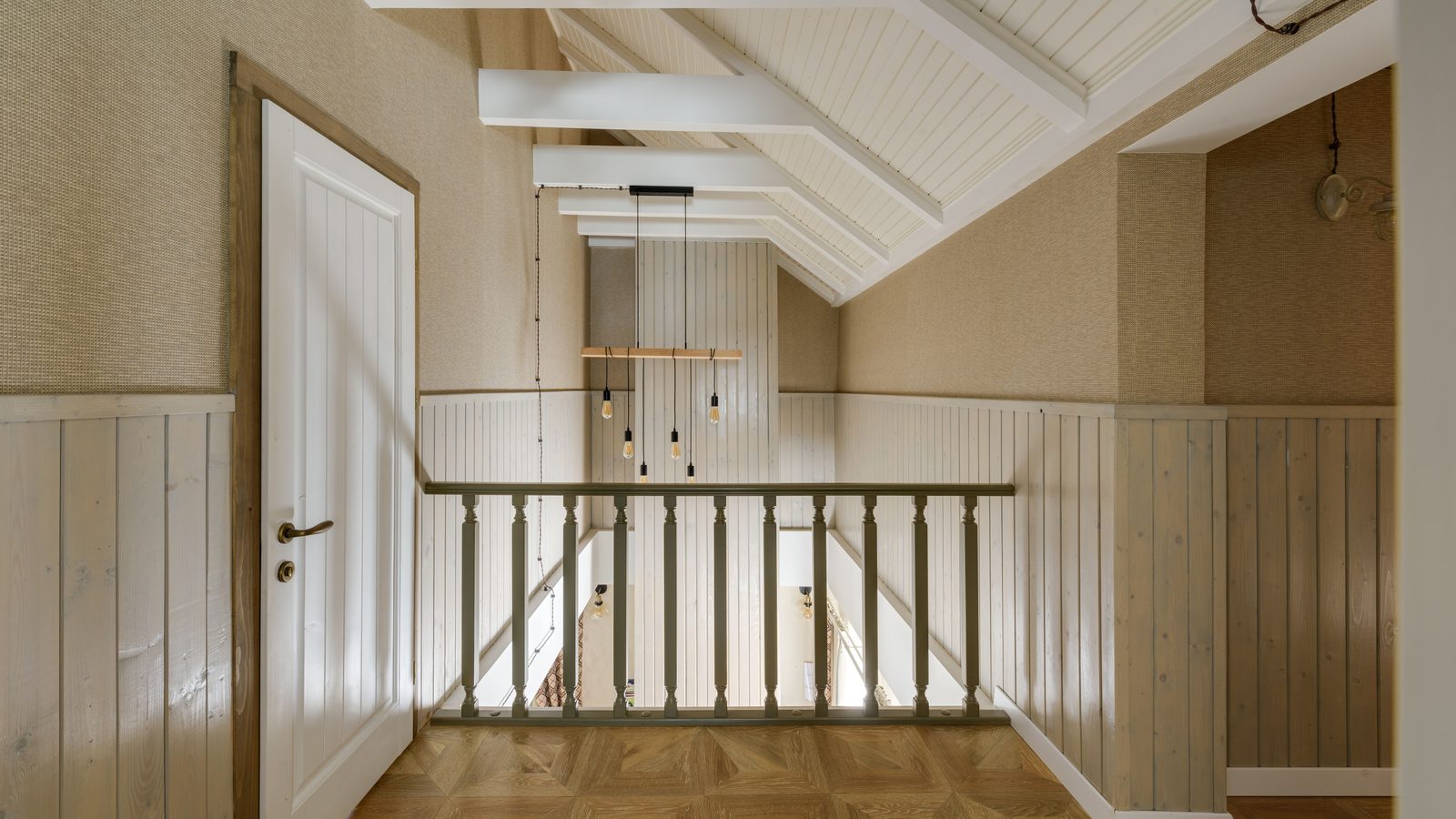
A 10 ft wide wall with battens spaced about 16 inches apart works out to 9 vertical battens (evenly spaced) plus a top and bottom rail — roughly 100 linear feet of 1× board once you add a cutting buffer. Adjust the spacing below to see the count change.
Give the wall width, the batten height, and how far apart you want the vertical battens (centre to centre).
Want to see how this number is worked out? Every formula, buffer and product dimension we use is published at how we calculate.
There's no single correct gap — 12 inches reads traditional and busy, 16–24 inches feels modern and calm. Aim for even spacing across the wall rather than a round number, so you don't end with an awkward sliver at one end. The calculator spreads your battens evenly for the width you enter.
Battens are usually glued with construction adhesive and pinned with brad nails into the drywall (hitting studs where you can). The magic is in the finish: caulk every edge, fill the nail holes, and paint the boards and wall the same colour so it reads as one built-in piece.
Divide the wall width by your chosen spacing and add one for the closing batten. For a 10 ft wall at ~16 in spacing that's about 8 vertical battens, plus a top and bottom rail. The calculator also totals the linear feet to buy.
Commonly 12 to 24 inches on-centre. Tighter spacing looks traditional; wider looks modern. Choose a spacing that divides the wall evenly so both ends match.
Primed MDF or pine 1× boards are the usual choice — straight, inexpensive and paint-ready. MDF gives the cleanest painted finish; pine handles humidity better.
Construction adhesive plus brad nails is standard, aiming for studs where possible. Then caulk the edges, fill the holes and paint everything one colour for a seamless built-in look.