Paint wins on cost, speed, and flexibility, so it's the default for whole rooms, rentals on a budget, and anyone who redecorates often. Wallpaper wins on impact, texture, durability, and hiding wall flaws, so it's the better buy for a feature wall or a room you want to feel finished and distinctive. Many people do both: paint three walls, wallpaper the fourth. Ready to price the paper? Run the wallpaper calculator.
The quick comparison
| Factor | Winner |
|---|---|
| Upfront cost | Paint |
| Speed to finish | Paint |
| Easy to change later | Paint |
| Lifespan / durability | Wallpaper |
| Hides wall imperfections | Wallpaper |
| Pattern, texture & depth | Wallpaper |
| Moisture-prone rooms | Paint (or vinyl paper) |
| Renter-friendly & reversible | Tie (paint, or peel-and-stick) |
Cost
Paint is the cheaper option in almost every case. A gallon covers a lot of wall for a modest price, and the tools are minimal. Wallpaper costs more per square foot, and hanging it, especially with a professional, adds a labour line paint rarely needs. Where wallpaper claws some of that back is lifespan: if a durable paper lasts twelve years and paint gets redone three times in that window, the gap narrows. But on day one, for pure spend, paint wins.
Durability and lifespan
Quality wallpaper is the more durable finish. Vinyl and non-woven papers shrug off scuffs and fingerprints that would mark flat paint, and a good install can look sharp for ten to fifteen years. Painted walls in a hallway, kitchen, or kids' room often want a refresh every three to seven years. The exceptions are moisture and fashion: paint is easier to touch up in a steamy bathroom, and a bold wallpaper can date faster than a neutral wall color.
Effort to install and change
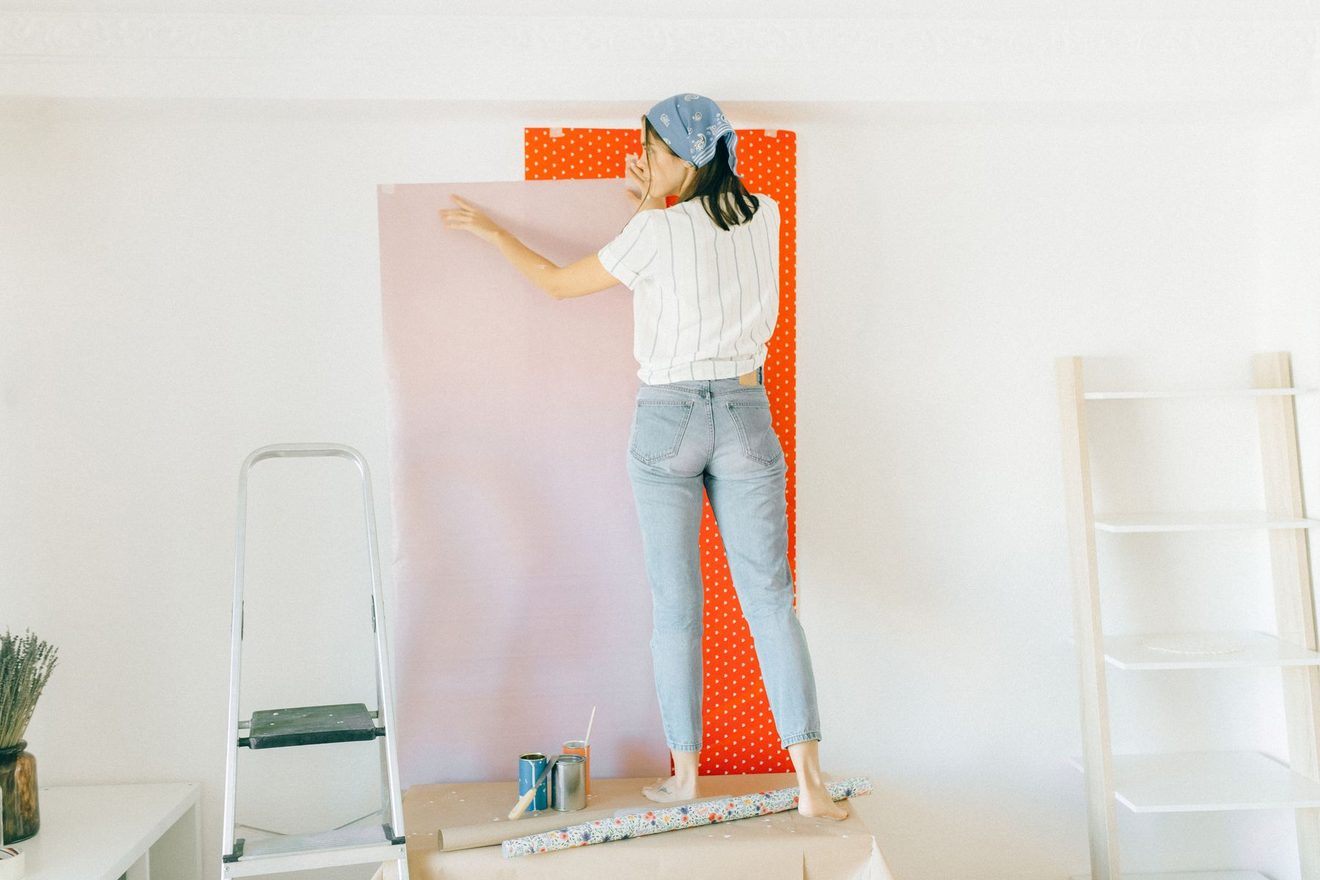
Paint is the more forgiving DIY job and far quicker to redo, one of its biggest advantages if you like to change things. Wallpaper takes more care to hang well (plumb lines, pattern matching, smoothing seams), and while modern papers strip off cleanly, changing it is more work than rolling on a new color. If your taste shifts often, that flexibility is worth a lot.
Look and impact
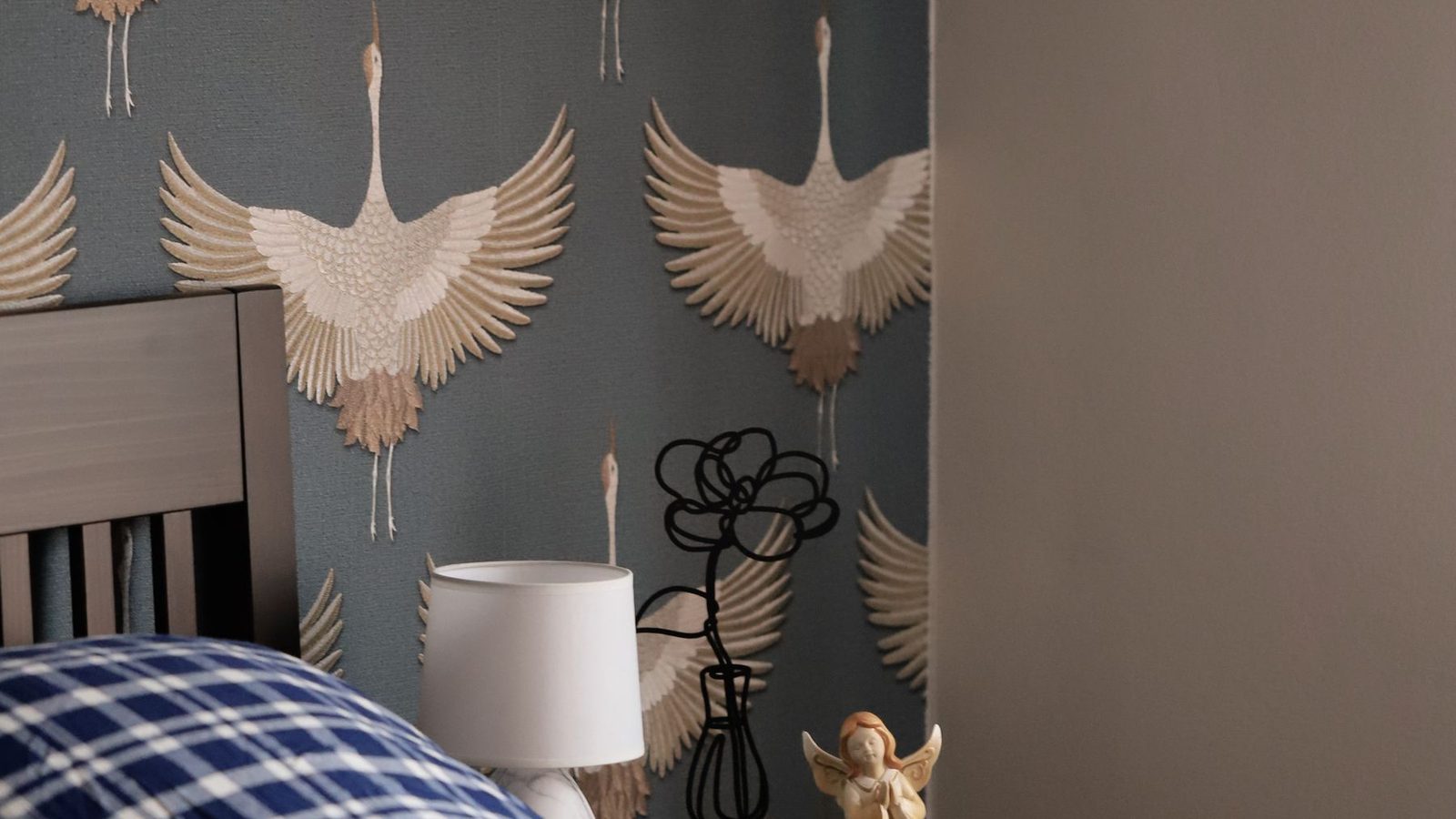
This is where wallpaper earns its keep. Pattern, texture, and depth do things a flat color simply can't: a single papered wall can set the entire mood of a room, while the same wall in paint reads as, well, a wall. Paint's strength is subtlety and cohesion, the perfect neutral backdrop. If you want a focal point and a sense of intention, paper. If you want a calm, flexible canvas, paint.
Which should you choose?
Budget, speed, flexibility
You're doing a whole room, watching the budget, renting, or you repaint often. Fast, cheap, and easy to redo.
Compare materials →Impact and longevity
You want a feature wall, real texture, a finish that lasts, or you need to hide a less-than-perfect wall.
Size your wall →Paint + one papered wall
Paint the room, paper a single feature wall. Maximum impact, controlled cost, the most popular route.
Size the feature wall →Sources, checked 28 August 2026
- York Wallcoverings, bolt dimensions and calculator
- Wallcoverings Association, Wallcoverings Characteristics
- Cole & Son, hanging instructions and pattern match definitions
- Angi, cost to hang wallpaper
- HomeGuide, wallpaper installation cost
- Wallpaper prices surveyed in our wallpaper cost guide, with every listing linked
Links are evidence for the figures on this page, not recommendations. None of them earn us anything, as set out in how we make money. Found something out of date? hello@rollandbloom.com.