For most rooms, a non-woven, paste-the-wall wallpaper in a washable finish is the easiest to hang and the easiest to live with. Step up to vinyl in kitchens and bathrooms where moisture and scrubbing matter, and choose a small or random-match pattern if you want less waste and an easier hang. Ready to size it? Run the wallpaper calculator.

Start with the material, not the print
The print is what sells you, but the material is what decides how hard it is to hang, how long it lasts, and how it comes off later. There are four you'll actually meet.
- Non-woven. The modern default. A breathable blend of natural and synthetic fibers that doesn't expand or shrink, hangs paste-the-wall, and strips off dry in full sheets. Easiest to hang, easiest to remove. Start here unless you have a reason not to.
- Vinyl and vinyl-coated. A printed layer sealed under vinyl. Washable, scrubbable, and moisture-resistant, which is why it rules kitchens, bathrooms, and hallways. Heavier and slightly less breathable.
- Traditional paper. The classic. Beautiful matte prints, but it expands when pasted, tears more easily, and is fussier to hang and remove. Lovely in a low-traffic room if you're patient.
- Natural fibers. Grasscloth and other woven naturals bring texture, with their own rules around seams and dye lots. We cover those in the grasscloth guide.
Paste-the-wall vs prepasted vs unpasted

How the glue works is the single biggest driver of how easy the job is.
- Paste-the-wall. You roll adhesive onto the wall and hang the dry paper. Fast, clean, and no soaking or folding. This is how non-woven papers go up, and it's the friendliest for a first-timer.
- Prepasted. Dry glue is already on the back; you activate it with water in a tray. Cheaper and common, but wetter and slower than paste-the-wall.
- Unpasted. You apply paste to the paper itself, then fold it paste-to-paste and let it relax before hanging. The most traditional and the most work.
Washability and durability
Look at the roll's cleaning rating, because it tells you where the paper belongs. Two different vocabularies are in play here and most guides muddle them, so it is worth separating.
In the US, wallcoverings are classified under ASTM F793, which the Wallcoverings Association applies as Type I light duty, Type II medium duty and Type III heavy duty. The two terms that matter on the label are washable, which the Association defines as withstanding occasional sponging with a detergent solution, and scrubbable, which means it survives a brush. All three types must pass at least 100 washability cycles; scrubbability runs from 200 cycles for Type I up to 500 for Type III.
"Spongeable" is not a US standards term. It belongs to the European symbol system printed on the roll label, which runs spongeable, then washable, then extra washable, then scrubbable. If your roll came from a European maker you are reading that ladder, not the ASTM one. Either way the practical rule is the same: scrubbable near food and water, and anything gentler is fine in a bedroom.
Removability is a separate pair of words. Strippable means the covering dry-strips off the wall leaving minimal residue and no damage. Peelable means the decorative surface peels away and leaves a layer of backing on the wall, which you then have to deal with. Both are defined by the trade associations rather than by ASTM, so treat them as convention rather than certified performance.
Pattern repeat and match
The pattern decides how much you waste. A random match (like many textures and stripes) needs almost no trimming, so it's the most economical and forgiving. A straight match lines up level across strips. A drop match steps the pattern down half a repeat, which is the trickiest to hang and the hungriest for material. The bigger the repeat, the more you trim off each strip to make the design meet, so budget more paper and patience for a large drop-match print. Our calculator builds the repeat into the drop height, which is where it actually costs you material, and keeps the waste buffer separate for miscuts (the arithmetic is published), and the field guide explains dye lots and booking.
Removable or traditional?
If you rent, or you change your mind often, peel-and-stick is the low-commitment route. It lifts off cleanly from smooth painted walls and asks for no paste or water. It's less durable and the seams can lift over time, so it's a trade of longevity for reversibility. We size it in the peel-and-stick calculator. If you own the place and want it to last, traditional non-woven is the better buy.
Finish, scale, and the room
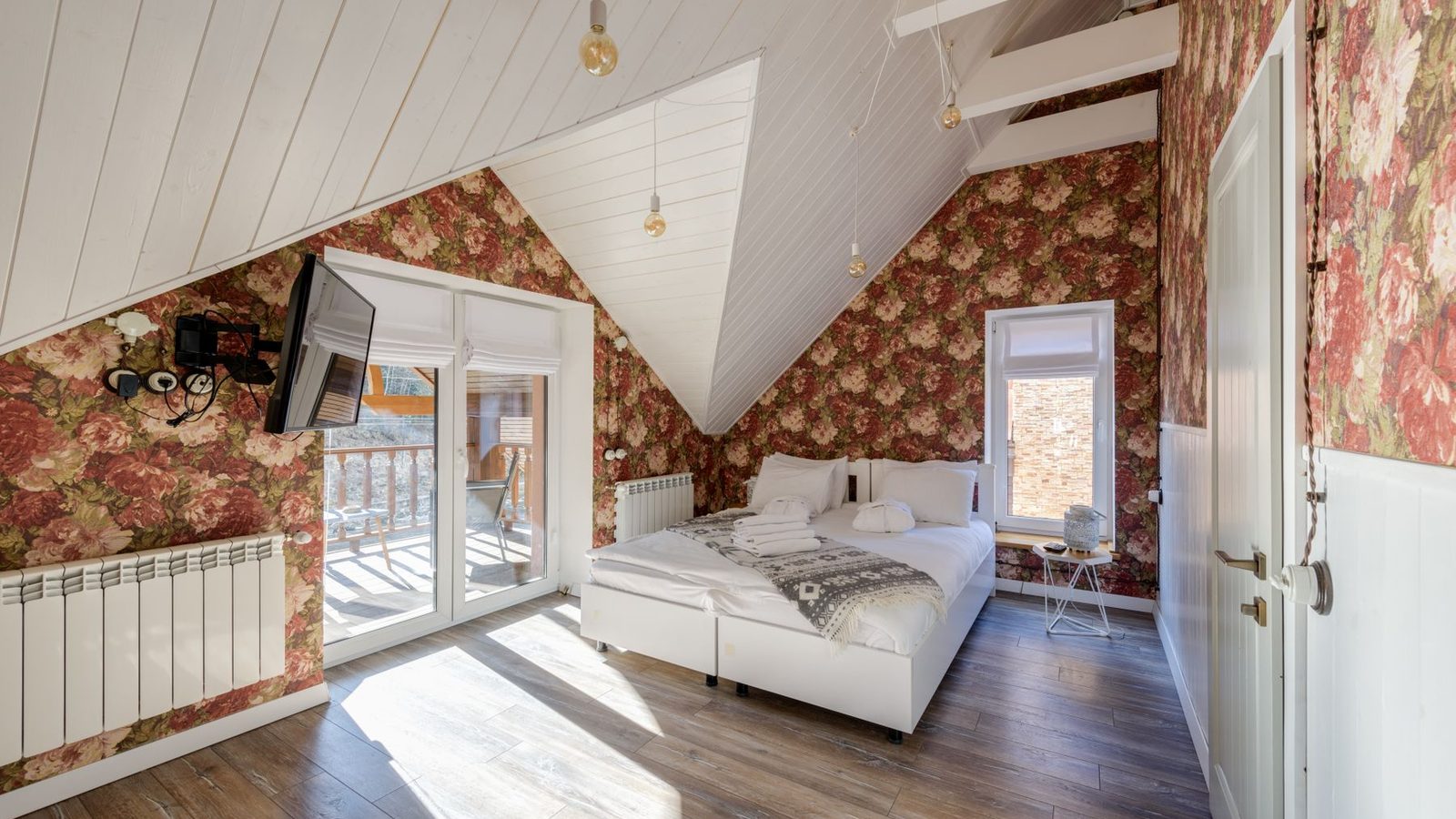
Matte reads calm and hides wall imperfections; satin and metallic bounce light and show them, so save the shine for smooth walls. Scale the pattern to the space: a big bold repeat can overwhelm a small room but makes a powder room sing, while a tight small print reads almost like texture across a large wall. When in doubt, order a sample and tape it up for a day before you commit the whole room.
Which tier is right for you
Four ways people usually buy. Match the tier to the room and how long you want it to last.
Non-woven, paste-the-wall
The do-it-all pick. Easiest hang, clean removal, huge range of prints. Right for most bedrooms, living rooms, and feature walls.
Size your wall →Vinyl / vinyl-coated
Washable and moisture-resistant for kitchens, bathrooms, and busy hallways. Choose a scrubbable rating.
Size your wall →Peel-and-stick
Reversible and paste-free on smooth painted walls. Trades some durability for the freedom to change your mind.
Size your wall →Grasscloth & naturals
Woven natural fiber for warmth and depth. Its own rules on seams and dye lots, worth it for the look.
Size your wall →Sources, checked 28 August 2026
- ASTM F793/F793M-25, Standard Classification of Wall Coverings and Ceiling Coverings by Use Characteristics
- Wallcoverings Association quality standard W-102 (2019, PDF)
- Wallcoverings Association, Wallcoverings Characteristics
- Wallcoverings Association, Common Terms
- Wallcovering Installers Association, Wallcovering Dictionary
- Cole & Son, hanging instructions and pattern match definitions
- York Wallcoverings, bolt dimensions and calculator
- Graham & Brown, what is paste-the-wall wallpaper
- Graham & Brown, paste the paper vs paste the wall
- Arthouse, wallpaper symbols guide
- Cole & Son, roll specification
- Little Greene, roll specification
Links are evidence for the figures on this page, not recommendations. None of them earn us anything, as set out in how we make money. Found something out of date? hello@rollandbloom.com.