Grasscloth is woven natural fiber (often sisal, jute, or arrowroot) laminated to a paper backing. It brings texture no printed paper can fake, but the trade-offs are real: seams show, color varies by dye lot, and it's delicate. Buy all your material in one dye lot, keep it in low-traffic dry rooms, and consider faux grasscloth where you need durability. Size it with the calculator.
What grasscloth actually is
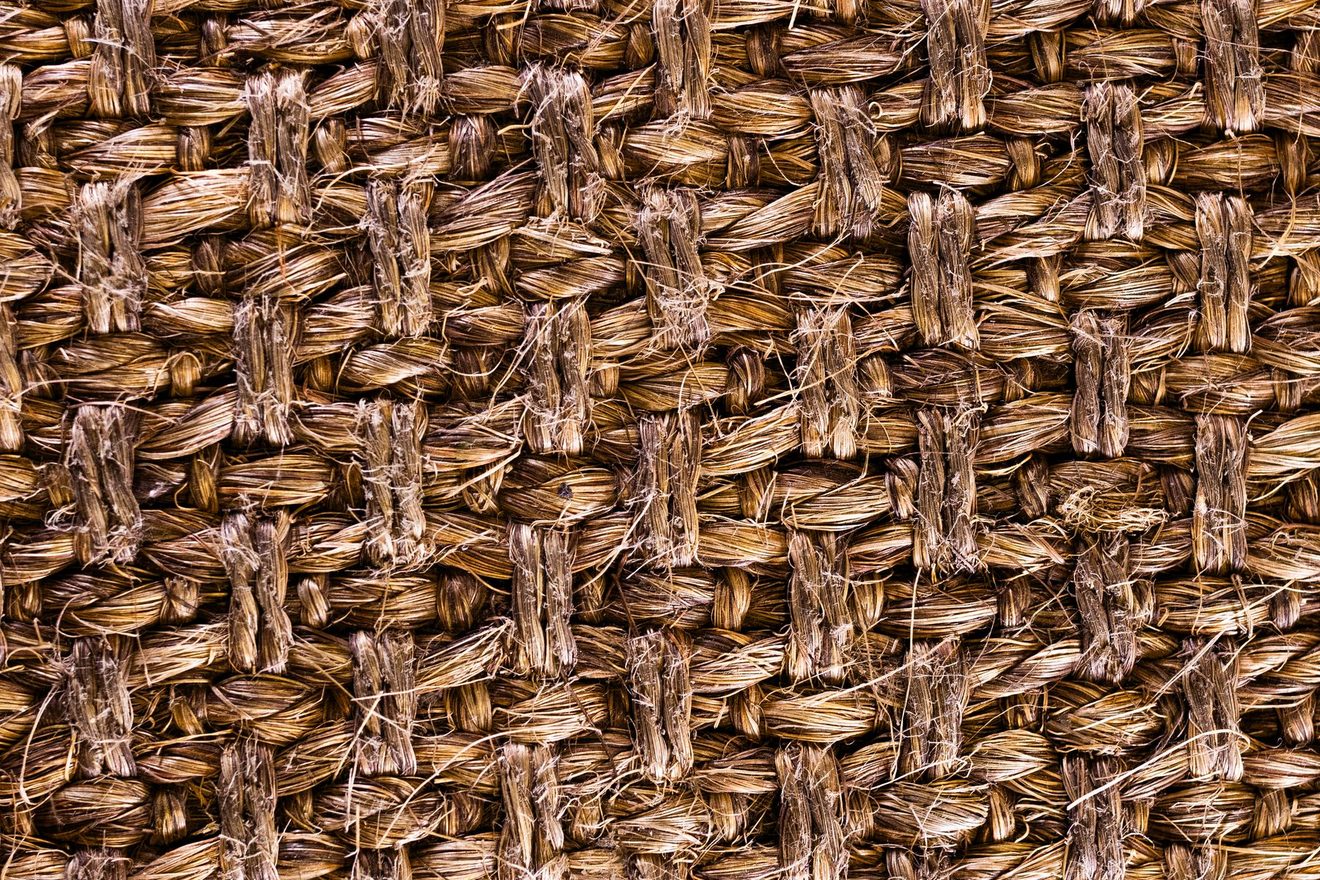
Grasscloth is a family of wallcoverings made from natural plant fibers, most commonly sisal, jute, hemp, sea grass, or arrowroot, hand-woven and then bonded to a paper or non-woven backing. Because it's a real woven material, no two panels are identical, and light catches the weave to give a wall depth and warmth that a printed texture can't match. That handmade, organic quality is exactly why people choose it, and it's also the source of every quirk below.
Real fiber vs faux grasscloth
The first real decision is natural versus printed, and it drives everything else.
- Natural grasscloth gives authentic texture, depth, and irregular beauty. It is also delicate, shows seams and color shifts, stains easily, and costs more.
- Faux grasscloth is a vinyl or paper printed to mimic the weave. It's cheaper, wipeable, consistent in color, and the seams disappear, but it's flatter and reads less rich up close.
- Rule of thumb: pick natural for a low-traffic feature wall where texture is the point, and faux for durability, damp rooms, or a tighter budget.
Seams and dye lots: the two surprises
These are the two things that catch first-time buyers, so plan for them before you order.
- Seams are visible by design. There's no pattern to match, so panels are hung edge to edge and the joins read as soft vertical lines. On natural grasscloth this is expected and considered part of the character, not a flaw.
- Dye lots vary. Natural fibers are dyed in batches, and shading differs noticeably between them. Buy all the material for a wall in a single dye lot, in one order, and add a full extra panel or two so you're never forced to reorder into a mismatch.
Durability and where it belongs
Natural grasscloth is one of the more delicate wallcoverings. It stains readily, can't be scrubbed, and direct sunlight will fade the fibers over time. That makes it a poor fit for kitchens, bathrooms, kids' rooms, and busy hallways. It shines in bedrooms, dining rooms, studies, and formal living rooms, spots that are dry, low-traffic, and out of harsh sun. If you love the look but need it to survive a tougher room, a quality faux grasscloth is the sensible substitute.
Hanging: what to expect
Grasscloth is almost always a paste-the-wall or paste-the-back install, and it's less forgiving than standard paper because paste on the face can stain the fibers permanently. Most people hang natural grasscloth themselves only if they're confident; otherwise it's a strong candidate for a professional. Keep adhesive off the surface, don't over-wet it, and use a soft brush rather than a hard smoother so you don't crush the weave.
Which tier is right for you
Three common ways people buy grasscloth.
Natural sisal or arrowroot
Authentic weave with real depth for a low-traffic feature wall. Order one dye lot, embrace the seams, hang carefully.
Size your wall →Faux (vinyl) grasscloth
Printed texture that's wipeable and seam-free in look. The pick for damp rooms, high traffic, or a tighter budget.
Size your wall →Standard wallpaper
If you're weighing grasscloth against a printed non-woven, the wallpaper guide breaks down every material type.
Read wallpaper guide →Sources, checked 28 August 2026
- York Wallcoverings sisal grasscloth, bolt specification
- Grasscloth & More, 8 yard bolt specification
- Wallpaper Boulevard, guide to buying grasscloth
- Kenneth James Kowloon sisal grasscloth, Home Depot ($220 per 72 sq ft bolt, August 2026)
- Eurowalls, metric grasscloth roll dimensions
- Wallcoverings Association, Common Terms
- Our own quantity method, published in full at how we calculate
Links are evidence for the figures on this page, not recommendations. None of them earn us anything, as set out in how we make money. Found something out of date? hello@rollandbloom.com.