Real grasscloth is woven natural fiber: unmatched texture and depth, but delicate, with visible seams and dye-lot color variation. Faux grasscloth is printed vinyl or paper: flatter and more uniform, but wipeable, durable, and seam-consistent. Choose real for a low-traffic feature wall where texture is the point; choose faux for damp or busy rooms, kids, or a tighter budget. Sizing either? Run the calculator.

The quick comparison
| Factor | Winner |
|---|---|
| Authentic texture & depth | Real |
| Durability & wear | Faux |
| Wipeable / cleanable | Faux |
| Moisture-prone rooms | Faux |
| Uniform color (no dye lots) | Faux |
| Hidden / consistent seams | Faux |
| Natural, sustainable material | Real |
| Lower cost | Faux (usually) |
Look and texture
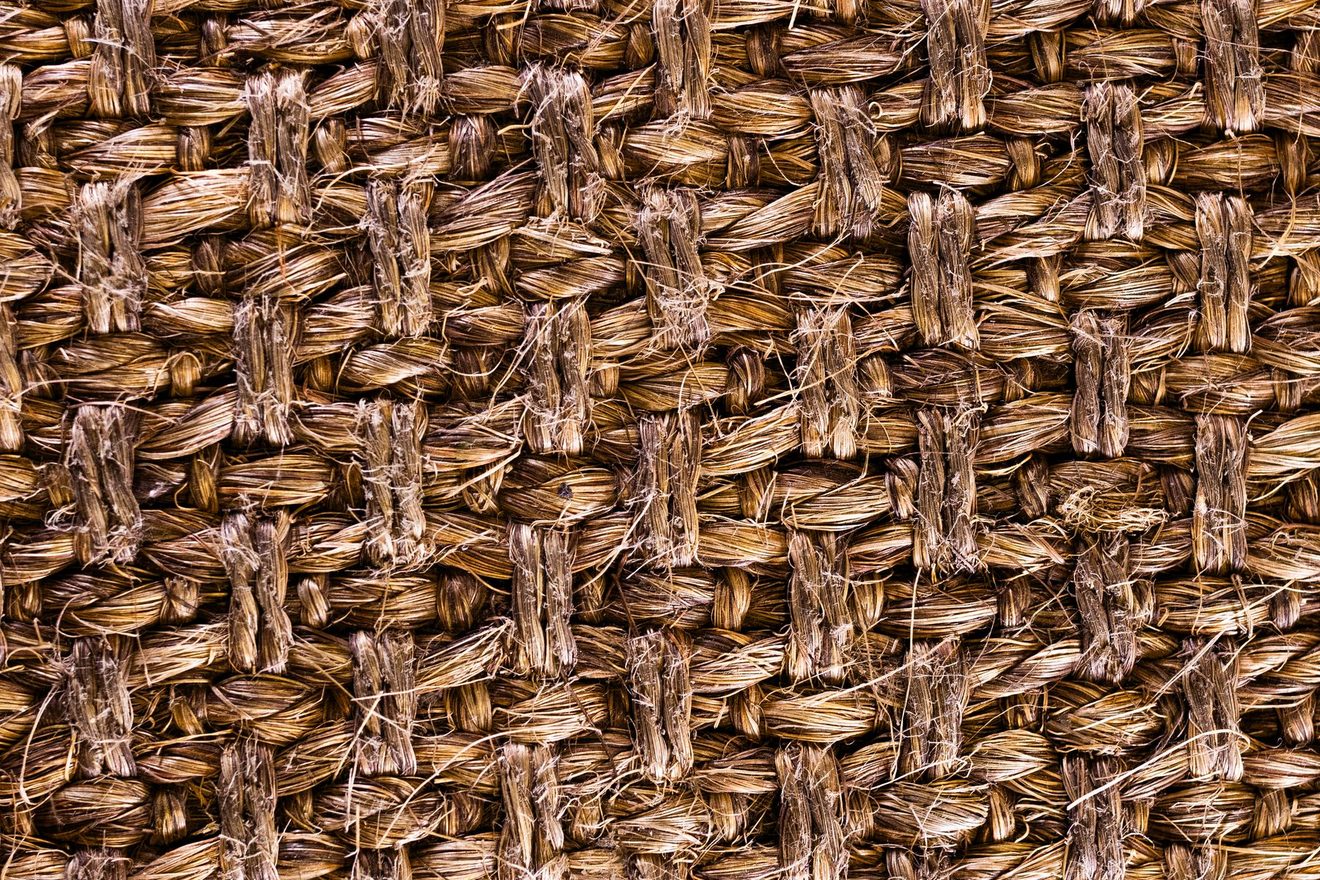
Real grasscloth is the winner on pure beauty. It's a genuinely woven material, so light catches the fibers and no two panels are identical, giving a wall a handmade, organic depth. Faux grasscloth prints that weave onto a flat surface; a good one is convincing from across the room, but up close it reads flatter and more repetitive. If the wall is somewhere people stand close and the texture is the whole point, real earns its premium.
Durability and cleaning
Here faux pulls decisively ahead. Real grasscloth stains easily, can't be scrubbed, and fades in direct sun, so a splash or a scuff can be permanent. Faux (vinyl) grasscloth wipes clean, tolerates moisture, and stands up to fingerprints and daily life. For anywhere that sees hands, food, steam, or sun, faux is simply the more practical surface.
Seams, dye lots, and hanging
Two of real grasscloth's signatures are also its headaches: seams show by design (panels are hung edge to edge with no pattern to match), and color varies between dye lots, so you must buy all your material at once from one lot. Faux grasscloth sidesteps both, with printed seams that blend and uniform color roll to roll, which also makes it more forgiving to hang. Real grasscloth is usually a careful paste-the-wall job, and paste on the face can stain it permanently. See the grasscloth buying guide for the full detail on both.
Which should you choose?
Texture is the point
A low-traffic, dry feature wall (bedroom, dining room, study) where authentic depth matters and you'll embrace the seams.
Size your wall →Durability & damp
Bathrooms, kitchens, hallways, kids' rooms, or a budget build. Wipeable, uniform, and forgiving to hang.
Read the guide →Match it to the room
Dry and precious, go real. Busy or damp, go faux. Both give the grasscloth look; only one survives a splash.
Plan the panels →Sources, checked 28 August 2026
- York Wallcoverings sisal grasscloth, bolt specification
- Grasscloth & More, 8 yard bolt specification
- Wallpaper Boulevard, guide to buying grasscloth
- Kenneth James Kowloon sisal grasscloth, Home Depot ($220 per 72 sq ft bolt, August 2026)
- Eurowalls, metric grasscloth roll dimensions
- Wallcoverings Association, Common Terms
- Our own quantity method, published in full at how we calculate
Links are evidence for the figures on this page, not recommendations. None of them earn us anything, as set out in how we make money. Found something out of date? hello@rollandbloom.com.