Peel and stick is removable wallpaper: no paste, no water, and it lifts off cleanly, which is why renters love it. The catch is the surface. It grips best on smooth, clean, fully cured painted walls and struggles on textured or freshly painted ones. Choose a thicker, fabric-backed material with a repositionable adhesive over thin vinyl. Size it with the calculator.
What peel and stick actually is
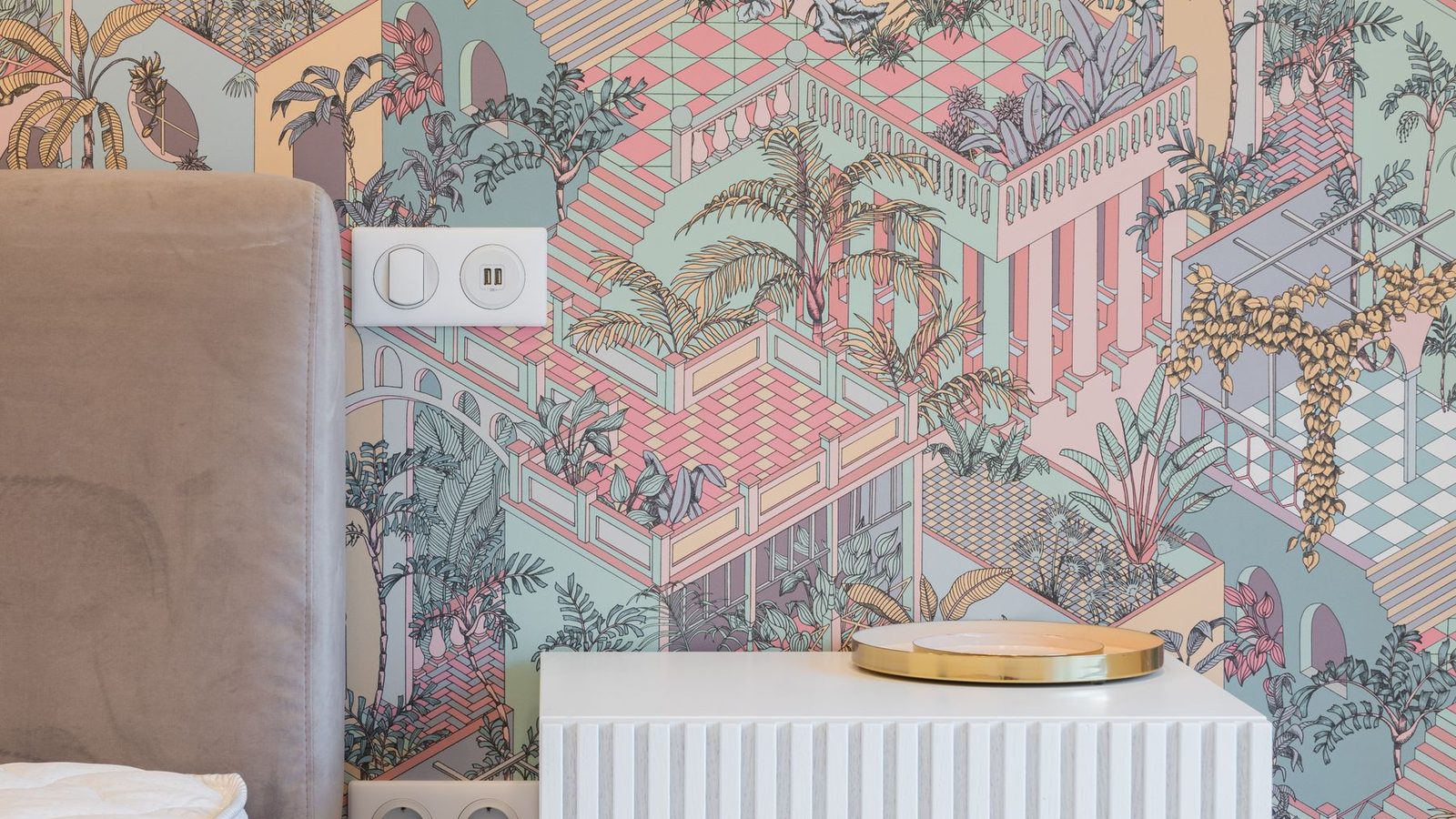
Peel and stick is wallpaper with a dry, pressure-sensitive adhesive already on the back. You peel the backing and press it to the wall, no paste tray, no booking, no mess. That reversibility is the whole appeal: it's the low-commitment way to add pattern, ideal for rentals, kids' rooms, and anyone who changes their mind. The trade is durability, so it's a swap of longevity for flexibility.
Where it works, and where it fails
More projects go wrong from the wall than the wallpaper. Set expectations by surface.
- Works best: smooth, clean, fully cured walls painted in satin or semi-gloss. The adhesive needs a slick, sound surface to grab.
- Struggles: textured or orange-peel walls (the adhesive only touches the high points), flat or chalky paint, and glossy surfaces that are dusty.
- Avoid: fresh paint that hasn't cured for a few weeks, bare or patched drywall, and anywhere with real moisture. On these it lifts, and on removal it can pull paint or paper off.
Material quality: what to look for
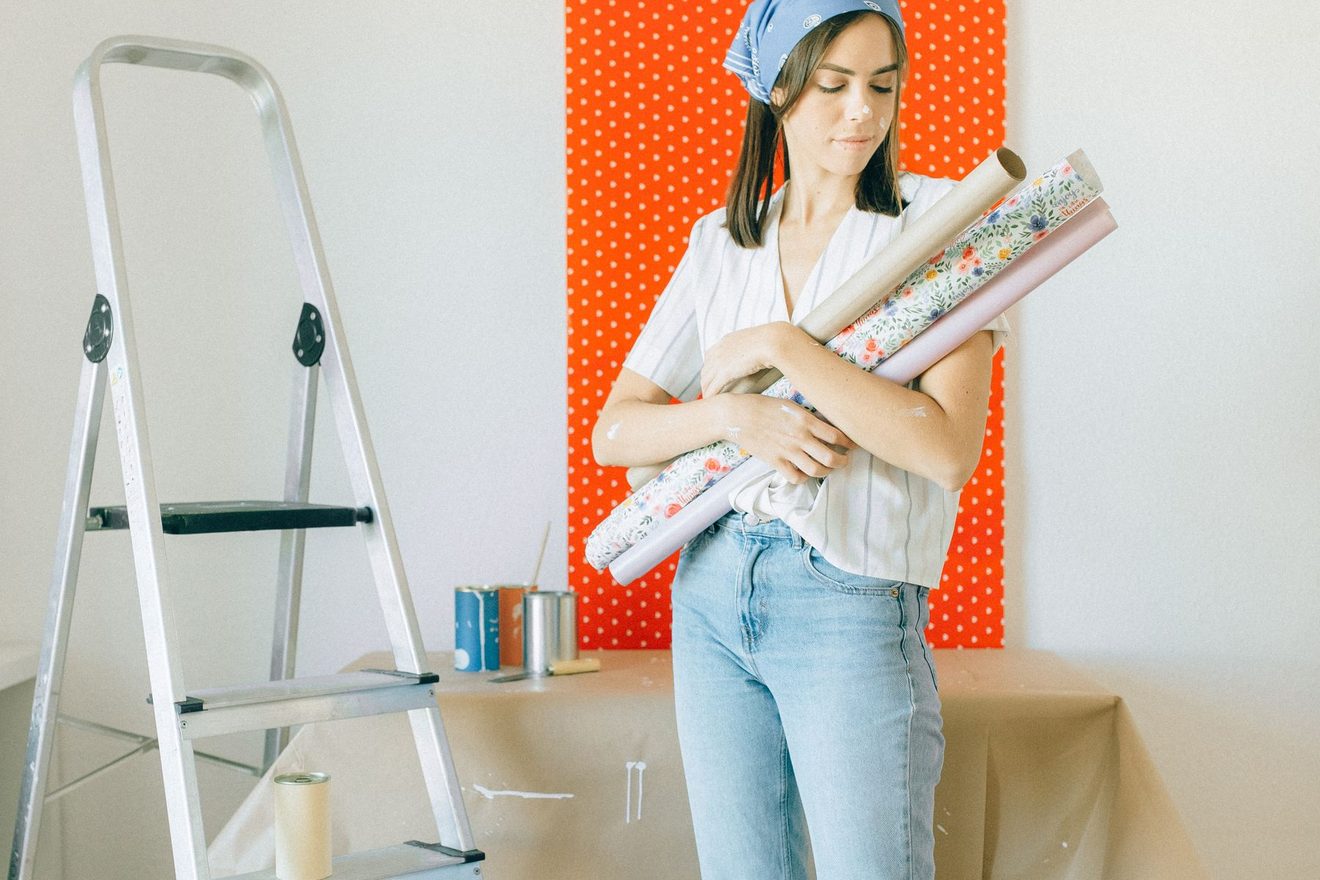
Not all peel and stick is equal, and thickness is the tell.
- Fabric-backed (woven) material is thicker, lies flatter, hides seams and small wall flaws better, and removes more cleanly than thin PVC vinyl. It's the better buy where it's offered.
- Thin vinyl is cheaper but shows every bump, curls at the edges, and can be fiddly to reposition.
- Finish: matte hides imperfections and reads more like traditional paper. Save satin and metallic for genuinely smooth walls.
- Repositionable adhesive lets you lift and realign a strip while hanging, which makes a huge difference for a first-timer.
Pattern, seams, and hanging
Like traditional paper, a random or small match wastes less and forgives more than a big drop-match repeat. Peel and stick seams are butted, not overlapped, on flat walls, and a thicker material keeps them from lifting. Start from a plumb line, not a corner, and smooth from the centre out to chase bubbles to the edge. It's forgiving because you can peel and re-press, so take your time on the first strip.
Where to use it
It's made for the low-stakes, high-change spots: a rental accent wall, a nursery or kid's room, the back of a bookshelf or a closet, a temporary refresh before a party. In a room you own and want to keep for years, traditional non-woven wallpaper is the more durable choice.
Which tier is right for you
Three ways people usually buy peel and stick.
Fabric-backed, matte
Thicker woven material with a repositionable adhesive. Lies flat, hides seams, removes cleanly. The right pick for most walls.
Size your wall →Standard vinyl
Cheapest per roll for a quick, short-term refresh. Best on very smooth walls, and go easy on big patterns.
Size your wall →Traditional non-woven
If you own the place and want it to last, a proper paste-the-wall paper is more durable. See the wallpaper guide.
Read wallpaper guide →Sources, checked 28 August 2026
- NextWall peel-and-stick, Home Depot (20.5 in × 18 ft, 30.75 sq ft)
- NuWallpaper peel-and-stick, Home Depot ($26.39 per roll, August 2026)
- Tempaper, roll sizes and coverage
- Chasing Paper, panel sizes
- York peel-and-stick grasscloth, Home Depot ($163.70 per 54 sq ft roll, August 2026)
- Wallcovering Installers Association, Wallcovering Dictionary
- Our own quantity method, published in full at how we calculate
Links are evidence for the figures on this page, not recommendations. None of them earn us anything, as set out in how we make money. Found something out of date? hello@rollandbloom.com.